
What Is Wheel Offset? Definition, Example, and How It’s Used

Understanding wheel offset is crucial for ensuring your vehicle not only looks its best but also performs optimally. Whether you’re a car enthusiast or simply looking to replace or upgrade your wheels, getting to grips with offset can make a significant difference. Let’s dive into what wheel offset means, explore an example, and discuss its importance in vehicle performance and appearance.
Definition of Wheel Offset
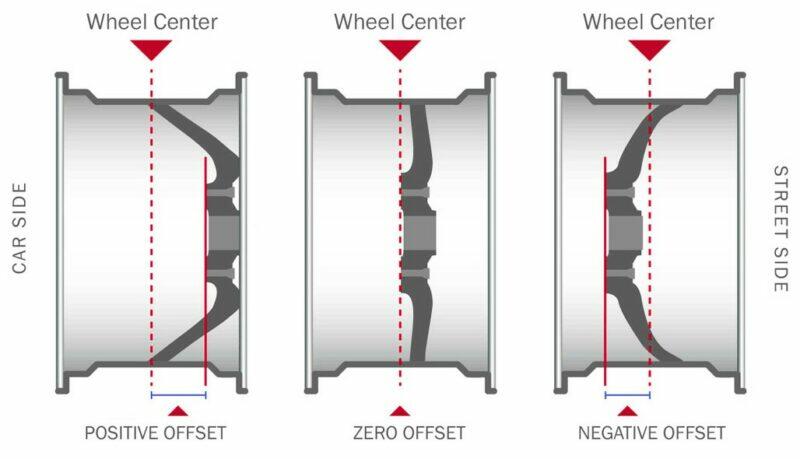
Wheel offset refers to the distance between the centerline of the wheel and the plane of the hub-mounting surface of the wheel. It’s measured in millimeters and can be positive, negative, or zero:
- Positive offset: The mounting surface is toward the front (street side) of the wheel’s centerline. This is common in front-wheel-drive cars and many modern vehicles.
- Negative offset: The mounting surface is toward the back (brake side) of the wheel’s centerline. This setup is often seen in rear-wheel-drive vehicles and gives a more aggressive stance.
- Zero offset: The mounting surface is even with the centerline of the wheel.
Example of Wheel Offset
Imagine you have a wheel where the hub mounting surface is exactly in the middle of the wheel; this wheel would have a zero offset. Now, if the mounting surface is moved 20mm towards the front of the wheel, the wheel would have a +20mm offset, indicating a positive offset. Conversely, if the mounting surface is 20mm towards the back from the centerline, it’s a -20mm offset, or negative offset.
How It’s Used and Why It Matters
The offset of a wheel can affect several aspects of your vehicle’s performance and appearance:
- Handling: The wrong offset can lead to issues with steering and vehicle stability.
- Fitment: Correct offset ensures that the wheels fit within the wheel wells without rubbing against the suspension or body.
- Appearance: Offset can dramatically affect how “flush” your wheels sit in relation to the car’s body, influencing the overall stance of the vehicle.
Choosing the right wheel offset is about finding the balance between the desired appearance and maintaining the vehicle’s factory handling characteristics. When changing from the stock wheel setup, consider how adjustments to the offset will affect your vehicle’s dynamics.
How It Is Measured
Wheel offset is measured from the wheel’s centerline to its mounting surface in millimeters. To measure it, you need to:
- Measure the overall width of the wheel (not just the rim).
- Divide that number by two; this gives you the centerline.
- Measure the distance from the mounting plate (where the wheel attaches to the vehicle) to the edge of the inner wheel. This measurement is your offset.
What Does ET Mean?
ET stands for “Einpresstiefe,” a German term that translates to “insertion depth.” It’s another way of referring to the wheel’s offset, measured in millimeters. The ET number indicates the distance between the wheel’s mounting surface and its centerline. A higher ET number means the wheel has a more positive offset, pushing it further into the wheel well. Conversely, a lower ET number indicates a more negative offset, pushing the wheel outwards.
How to Find the Offset of Your Existing Wheels
To find the offset of your existing wheels, you can:
- Check the Wheel Itself: Many wheels have the offset stamped or cast into the backside of the wheel, often represented with an “ET” followed by a number (e.g., ET45).
- Consult the Vehicle’s Manual: Some manuals will list the standard wheel offset for your vehicle.
- Look Online: There are databases and forums where you can look up the standard offset for your vehicle’s make, model, and year.
- Measure Manually: If you’re comfortable doing so, you can use the method described above to measure your wheel’s offset directly.
Conclusion
Wheel offset is a fundamental concept that can impact your vehicle’s look, feel, and function. Understanding this measurement can help you make informed decisions when selecting new wheels, ensuring they complement your vehicle’s performance and aesthetic. Always consult with a wheel specialist or your vehicle’s manufacturer when in doubt to choose the best offset for your needs.
Whether you’re aiming for a subtle enhancement or a bold transformation, paying attention to wheel offset is key to achieving your desired outcome without compromising safety or performance.