Run-Flat Tyres: Are They Worth the Investment?

Run-flat tyres have become a popular option for drivers seeking additional safety and convenience. These tyres are designed to keep you moving even after a puncture, eliminating the immediate need for a roadside tyre change. This post will explore the benefits and drawbacks of run-flat tyres to help you decide if they’re a worthwhile investment for your vehicle.
What Are Run-Flat Tyres?
Run-flat tyres are constructed to withstand the loss of air pressure, allowing you to continue driving for a limited distance at a reduced speed, typically up to 50 miles at 50 mph, after a puncture. This capability is due to their reinforced sidewalls or a support ring attached to the wheel.
How Do Run-Flat Tyres Work?
The secret to run-flat tyres’ resilience lies in their robust construction. Their reinforced sidewalls are thicker and tougher than those of standard tyres, allowing them to support the vehicle’s weight even when air pressure is significantly reduced. This design ensures the tyre remains functional and the vehicle stable, providing you the ability to reach a safe location or a repair shop.
How to Recognize Run-Flat Tyres?
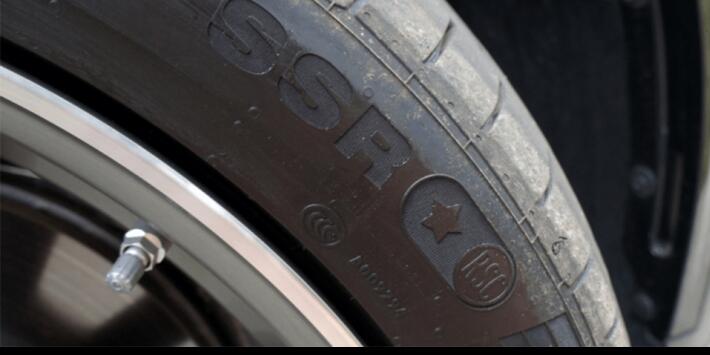
Identifying run-flat tyres is straightforward. Most manufacturers mark their run-flat tyres with specific symbols on the sidewall. Common markings include “RF,” “RFT,” “RunFlat,” or “SSR.” These designations indicate that the tyre can maintain performance over a short distance, even with complete loss of air pressure.
How Do I Know If My Vehicle Can Be Fitted with Run-Flat Tyres?
Not all vehicles are suited to run-flat tyres. To determine compatibility, consult your vehicle’s owner manual or check with the manufacturer. Some vehicles are specifically designed with run-flat tyres in mind, featuring tire pressure monitoring systems (TPMS) to alert the driver of pressure loss. If your vehicle supports TPMS and is structurally capable of handling the increased rigidity of run-flat tyres, it should be compatible.
Advantages of Run-Flat Tyres
Safety: The most significant advantage is safety. Run-flat tyres reduce the risk of accidents related to blowouts and enable you to drive to a safe location or service centre, rather than stopping on the roadside.
Convenience: They eliminate the need for immediate tyre changes or carrying a spare tyre, freeing up boot space and reducing vehicle weight for better fuel efficiency.
Peace of Mind: Knowing you won’t be stranded due to a flat tyre can provide significant peace of mind, especially when driving in remote areas or late at night.
Disadvantages of Run-Flat Tyres
Cost: Run-flat tyres are generally more expensive than standard tyres, both in initial purchase price and because they often need to be replaced rather than repaired after a puncture.
Ride Comfort: Some drivers find that run-flat tyres offer a firmer ride due to their reinforced sidewalls. This can lead to a less comfortable driving experience, especially on rough roads.
Availability: Not all tyre shops carry run-flat tyres, so finding replacements or getting repairs can be more challenging and potentially leave you immobilised for longer than with standard tyres.
Conclusion
Run-flat tyres offer a compelling mix of safety and convenience, making them an attractive option for many drivers. However, their higher cost, potential impact on ride comfort, and availability issues are important factors to consider. Ultimately, whether run-flat tyres are worth the investment depends on your driving needs, priorities, and willingness to pay for the added benefits they provide.